Polyaspartic Epoxy Coatings · Oceanside

Polyaspartic Coatings in Oceanside, CA

A clear, fast curing top coat made for Oceanside garages and the strong coastal sun. We pour it. We answer the phone. And we keep the date we set.

1 day installs · typical timeline
Free Quote

Free Polyaspartic Epoxy Coatings quote.

We reply within 1 business hour. No spam, ever.

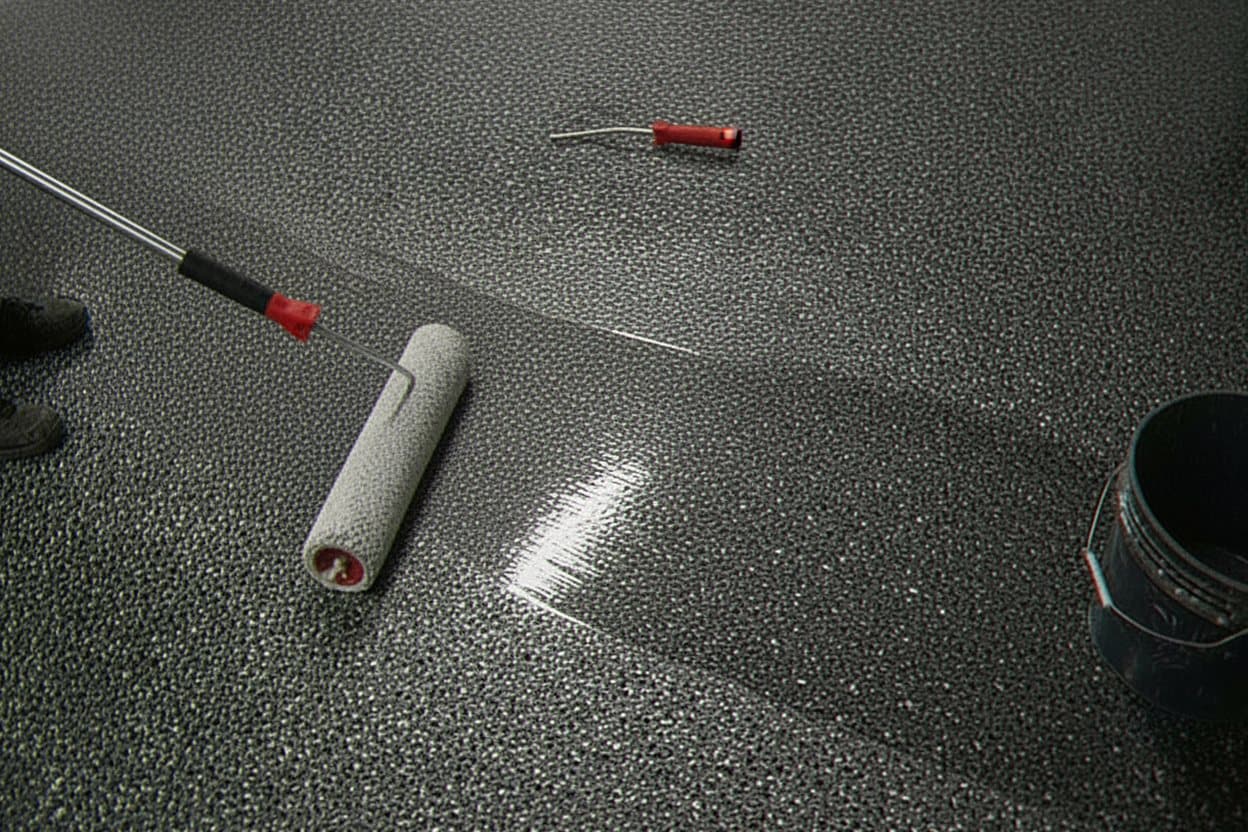
Clear polyaspartic topcoat on a finished garage slab.
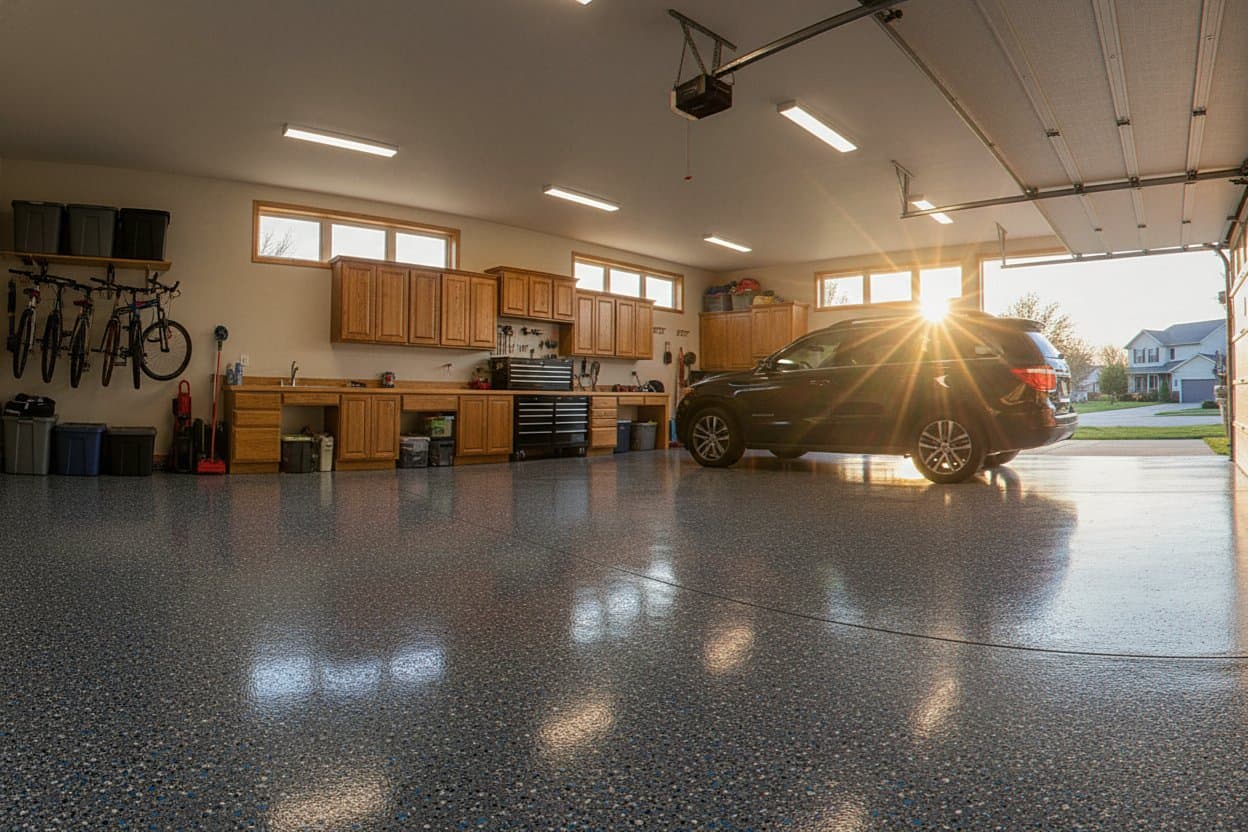
Wide garage floor sealed under glossy polyaspartic coating.
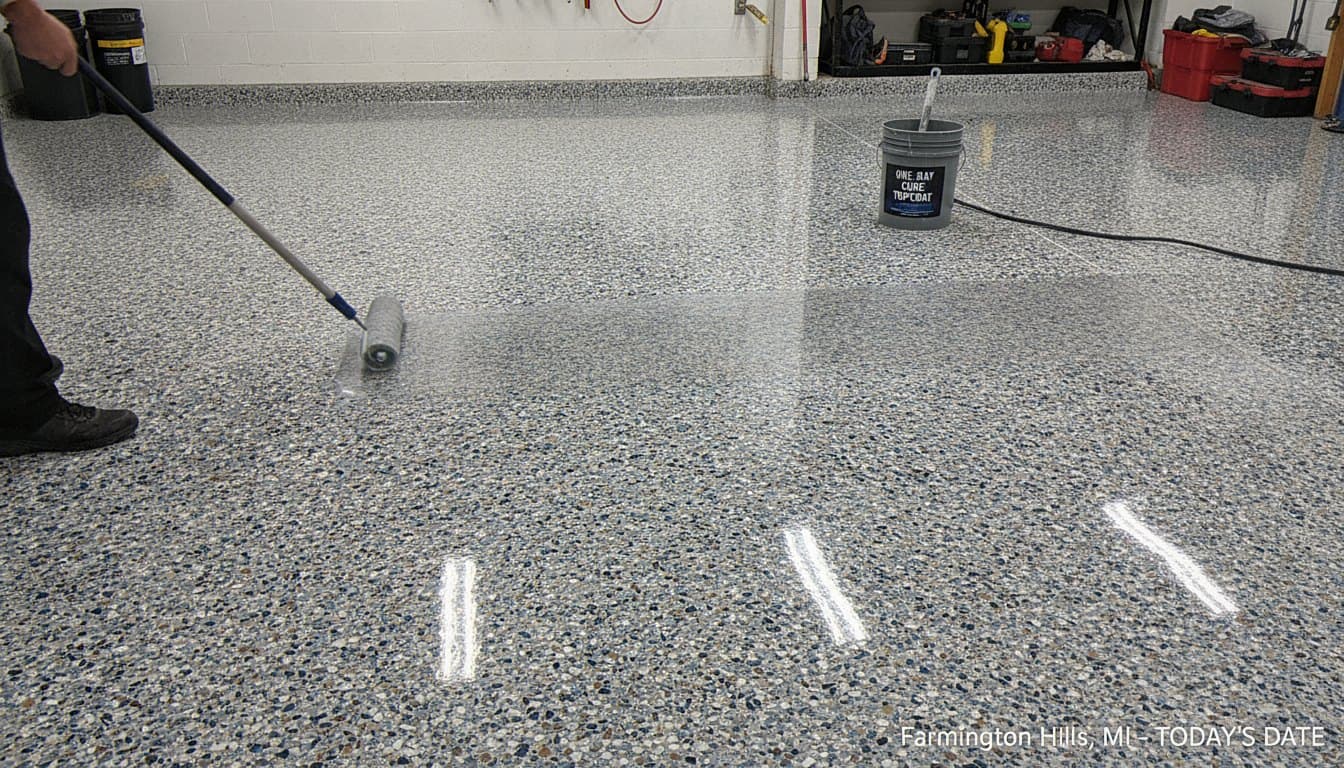
Roller applying polyaspartic over a cured flake base.
What we install

Polyaspartic and epoxy are not the same product

People mix up these two words all the time. They are not the same thing. Epoxy is the base coat that grips the bare slab and gives the whole floor its body and strength. Polyaspartic is the clear top coat that rides over it. We use both. On most Oceanside floors the epoxy bonds down into the concrete while the polyaspartic up top guards the color and soaks up the daily wear that would dull a lesser finish. Each layer does one job. Together they make one strong floor that lasts.

Here is why the top coat matters near the coast. Oceanside gets long, bright days and strong sun coming straight off the water, and that light is hard on a cheap finish. Plain epoxy can turn yellow and chalky under it. Polyaspartic does not. Its makeup holds a clear look year after year, so your flake or your solid color stays sharp instead of fading down to the dull, milky haze you see on older garage floors. That is the main reason we reach for it. Open doors and big windows only make the case stronger.

  • Cures fast. Most floors are ready to walk on the same day and ready for your car soon after.
  • Stays clear in strong sun. The coastal light will not turn it yellow or cloudy.
  • Shrugs off salt air and spills. Beach gear, brine, and road grime wipe right up.
  • Bonds chemically with the epoxy underneath. No weak plane between the layers.
  • Hides hot tire marks. Soft sealers grab the tread, but this film stays put.
The epoxy holds the slab. The polyaspartic holds the look. We pour both so the floor lasts.

We lay polyaspartic in thin, even coats with a roller, and the work moves fast because the resin sets in a hurry once it is mixed. Our crew preps the slab first. We grind it, fix any cracks, then spread the base coat and let it firm up before we roll the clear pass on top. By the end of the day the garage is yours again. No long wait. No week of stepping around a tacky floor and parking out on the street while it cures.

Want a polyaspartic floor in Oceanside? Call us. We will set a date that fits your week, then handle the prep, the pour, and the clear top coat with our own crew from start to finish. You get straight answers up front and a floor that stays clear in the sun for years.
Materials

The chemistry, in plain words, with no sales pitch

Polyaspartic comes from the same family as tough industrial coatings. The key part is its backbone. That is the chain that holds the whole film together, and that chain does not break apart in the sun the way plain epoxy slowly does. So the clear coat keeps its look even with the door wide open all day long. We trust it on bright Oceanside garages for that one reason.

We mix and roll it on site in two thin passes. The first soaks in and grips the base. The second builds the clear, hard shell you see and walk on. We watch the air and the slab the whole time, because the resin sets fast and gives us a short window to work it right. Good timing is most of the job. Rush it and the film can drag. So our crew keeps a steady, even pace from the first stroke to the last.

  • Backbone holds film clarity under daylight for the life of the floor.
  • Sets fast, so most floors take traffic the same day.
  • Shrugs off salt air, oil, and the brine that comes home from the beach.
  • Tested harder than industrial floor sealer, which is what defeats tire pickup.
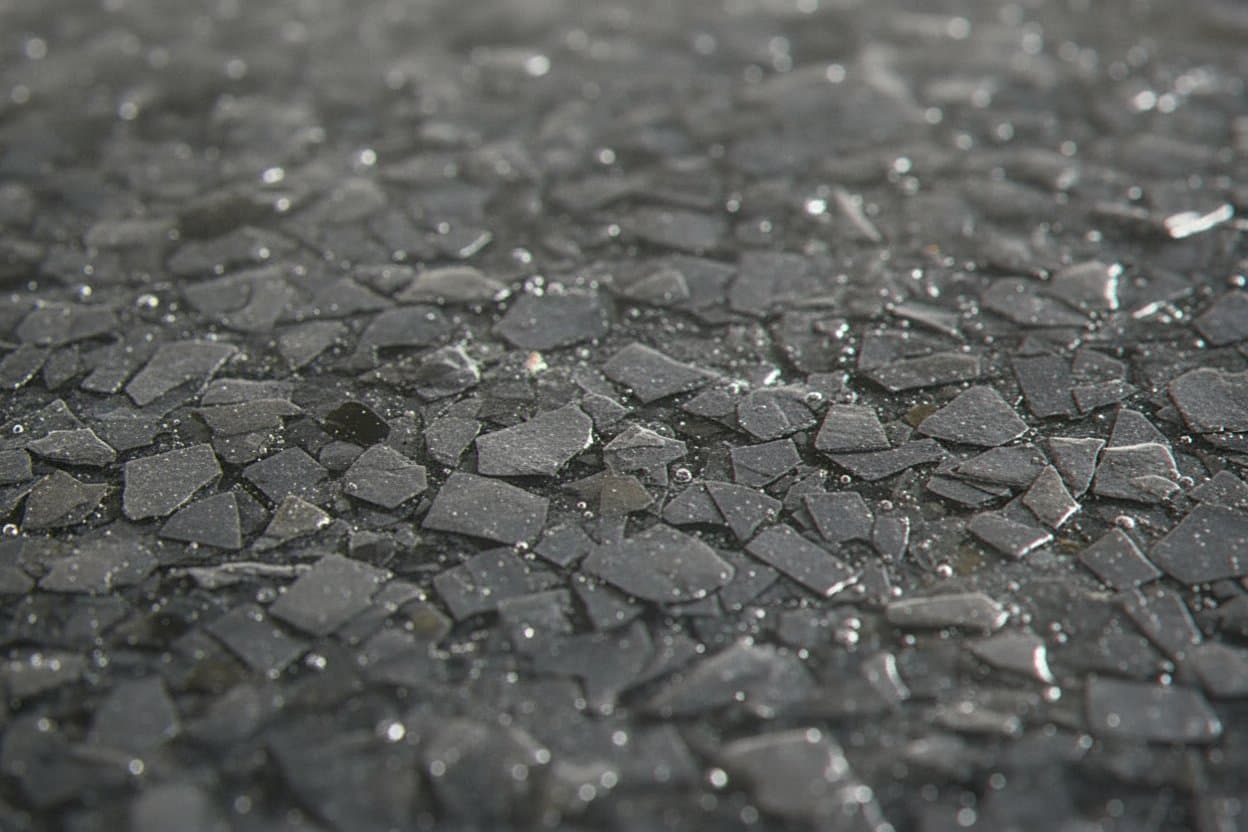
Cured polyaspartic film showing depth over flake floor.
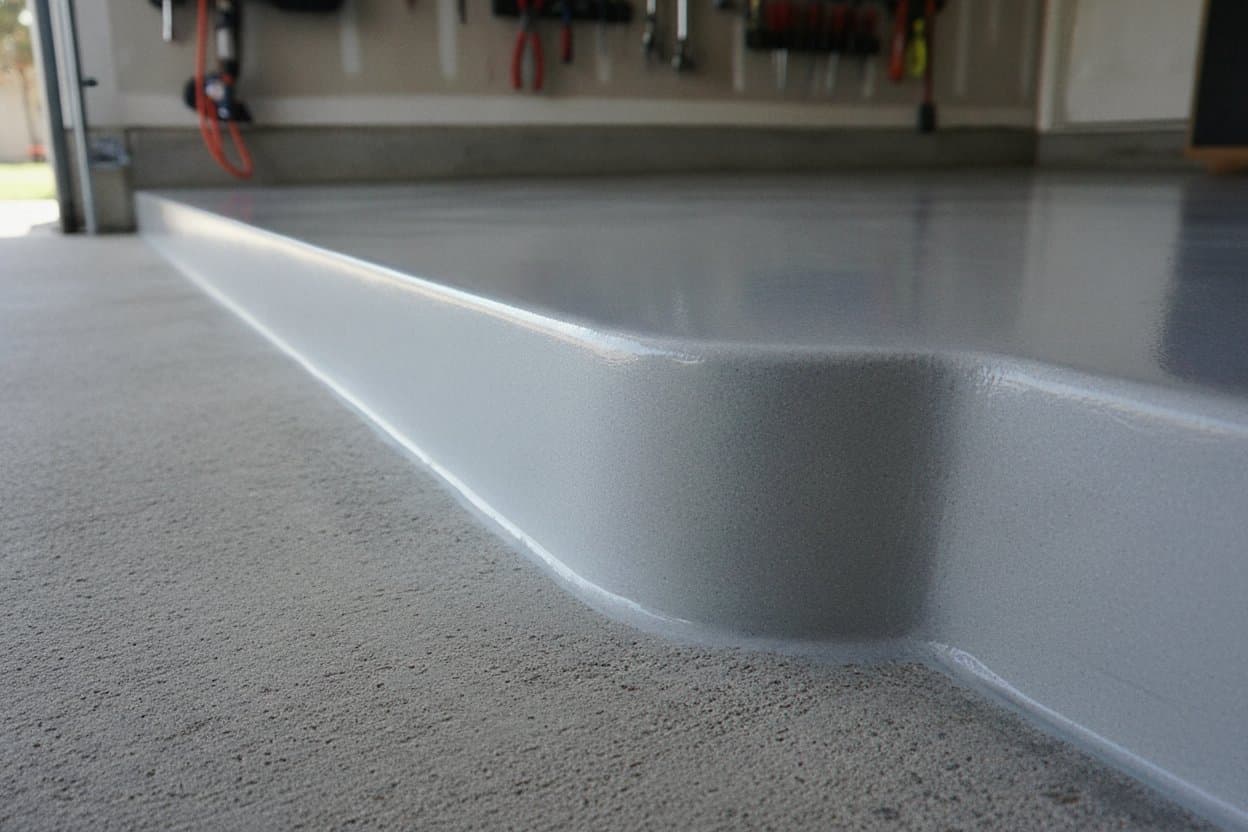
Polyaspartic coating sealed to the garage floor edge.
What about the alternatives?

Polyaspartic versus the other top coat options

A few clear coats can ride over an epoxy base. Here is how the common ones stack up for an Oceanside garage. We weigh three things. We pick by sun, by wear, and by how fast you need the floor back in service.

Clear epoxy as a topcoat

Cheap and easy, but it can yellow and chalk under our strong coastal sun. Fine indoors. Weak in a bright garage.

Skip

Solvent based polyurethane

Holds up well and looks good, but it gives off strong fumes and dries slower. Workable, just not our first pick.

Acceptable

Water-based acrylic floor sealer

Low cost and low smell, but thin and soft. It wears through fast and grabs hot tires. A short term fix at best.

Acceptable

Urethane mortar

Very tough and built for hard use. Great in a shop or wash bay, but heavier and costs more than most homes need.

Recommended

Polyaspartic

Clear in the sun, fast to cure, and hard enough to beat tire pickup. Our default top coat for Oceanside garages.

Recommended
How it goes

From quote to walk-on, fast.

01

Your inquiry

Call or send the short form with what is going on at your place. A sentence or two is plenty for the first step.

02

We talk it through

We go over the situation on the phone, ask the questions that matter, and tell you what we would do next.

03

A clear plan

You get a plain-language rundown of the work, the order it happens in, and what to expect on the day.

04

The work gets done

Our crew shows up when we said, does the job, and walks you through the result before leaving.

Before you book

What to confirm about the polyaspartic pass before booking

Ask us these before we start. Good answers up front mean no surprises on install day.

What temperature and humidity will the install run at?
Polyaspartic sets by chemistry, not just by drying. So air and slab conditions matter. Oceanside stays mild most of the year, which helps us a lot, but we still check the day's heat and the marine humidity before we pour a drop. If a damp morning rolls in off the water, we wait for it to lift or we adjust our mix. We tell you the plan when we book.
How much polyaspartic is going on the floor, in mils?
Mils means the film thickness. Too thin and it wears out early. Too thick and it can cloud or drag on the roller. We roll it in measured passes to hit the right depth for a working garage floor. Just ask. We will name the target number before we start, so you know exactly what you are getting on the slab.
Is the polyaspartic landing inside the epoxy's recoat window?
The clear coat bonds best when the base coat is still fresh enough to grab it. That window of time has a name. We call it the recoat window. We plan the day so the top coat goes on well inside it, which gives you one solid floor instead of two separate layers that can peel apart on you later.
Are there cases where polyaspartic is the wrong topcoat?
Yes, a few. A wash bay with standing water may do better with a thicker mortar. A slab that holds too much moisture needs a fix first, not a coat. We will say so plainly if your floor calls for a different plan. We would rather steer you right than sell you the wrong thing.
Can the topcoat be refreshed later without ripping the floor out?
Yes. When the clear coat finally dulls from years of use, we scuff it and roll a fresh pass on top. The base and color stay. There is no need to grind the whole floor off and start over. That keeps a refresh quick and simple down the road.
Aftercare

How a polyaspartic floor ages across the years

A polyaspartic floor is easy to live with. The clear coat keeps dirt up on the surface, so cleanup is quick and you are not scrubbing. In Oceanside that means the salt, the sand, and the fine beach grit all sweep up fast instead of grinding down into the finish. The film stays clear in the sun. So the color holds. With basic care it looks sharp for years. Here is what keeps it that way.

  • Sweep or dust mop weekly to clear sand and grit before it scratches.
  • Mop with warm water and a mild cleaner when the floor looks dull.
  • Wipe up oil, brake fluid, and brine soon, though the coat gives you time.
  • Use a soft mat under jack stands or sharp tools to spare the surface.
  • Ask us for a fresh clear pass once the shine fades after years of wear.
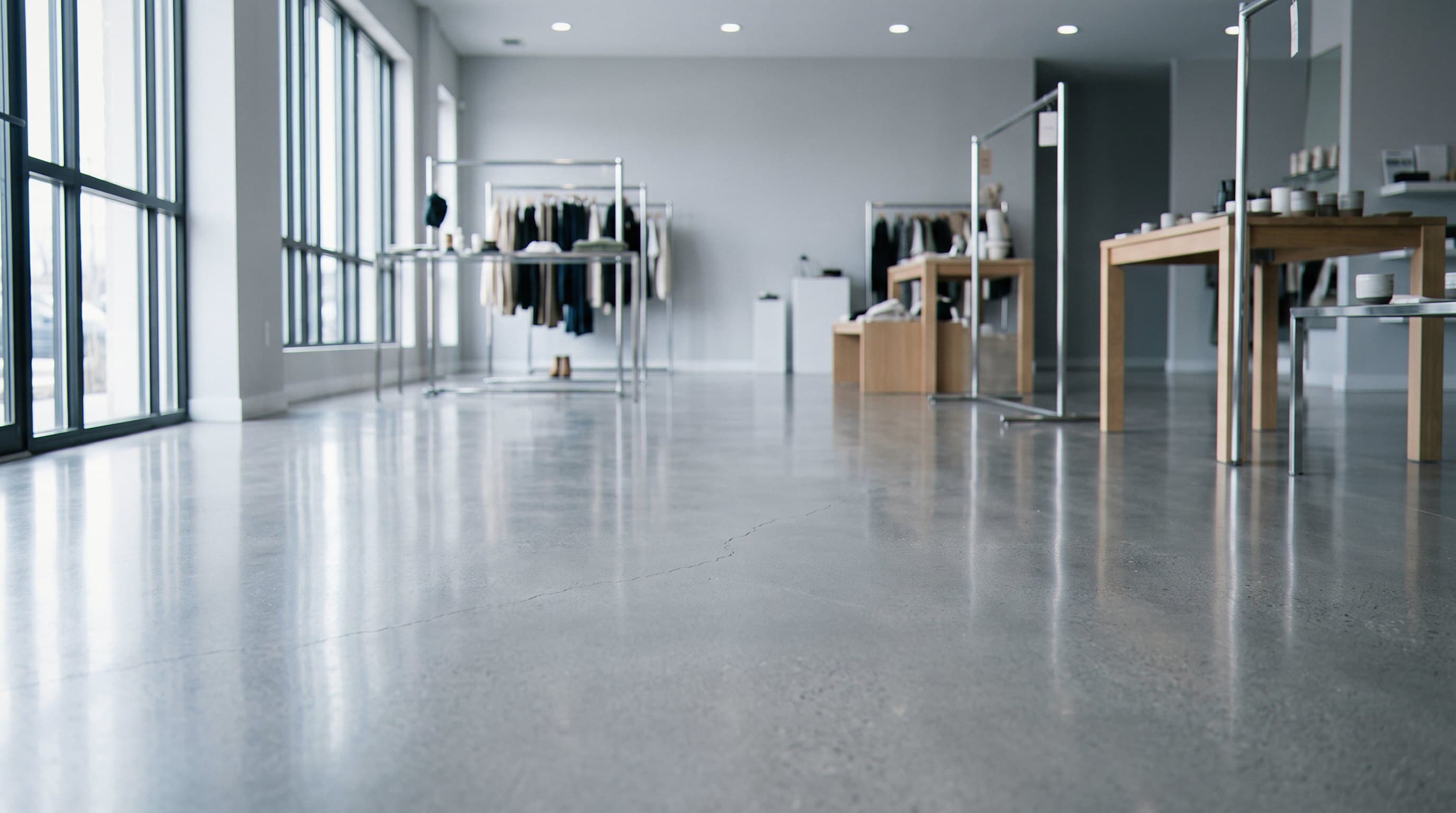
Polished concrete floor with smooth reflective surface.
FAQ

Common questions about polyaspartic in Oceanside

What separates epoxy from polyaspartic, in practice?
Epoxy lays down the thick, hard base that grips a clean slab. Polyaspartic is different. It cures fast and holds its color under the strong coastal sun, which is why we so often pour an epoxy base first and then finish the floor with a polyaspartic top coat. That mix gives you a tough floor that still looks sharp years later.
How are coating jobs typically priced in this market?
Cost comes down to a few simple things. We look at the square footage, the shape your slab is in, and the system you pick. Prep is the big swing. A floor that needs grinding, crack repair, or patching takes far more work than a clean one. We walk the space, talk through your options, and put a clear number in front of you before any work starts.
Can you install epoxy flooring year-round in Oceanside?
Yes. Oceanside stays mild all year, so we coat floors in every season without the freeze worries that colder regions face. We do watch the marine layer and the damp mornings, since any coating needs a dry slab to bond. Our crew checks the moisture and the humidity before we open a single kit. That care lets the epoxy flooring set the way it should.
Will the floor pick up or stain under hot tires?
Hot tires can lift a weak coating. That is a prep and product issue. We grind the slab, build a real bond, and finish the floor with a top coat that is made to take the heat from your tires. A floor done this way shrugs off hot tires and the usual oil or fuel drips. Wipe up spills and it stays clean.
Ready when you are

Let's make your next steps easier

Tell us what is going on at your Oceanside home and we will walk you through the options. One call or one short form is all it takes.

Call (442) 264-1078Make your inquiry
CallContact us