
Metallic Epoxy · Oceanside

Metallic Epoxy Floors in Oceanside, CA

A poured metallic epoxy floor gives you depth and movement that no tile or stain can copy, and we seal it tough under polyaspartic so it holds up to daily Oceanside life.

2 days installs · typical timeline
Free Quote

Free Metallic Epoxy quote.

We reply within 1 business hour. No spam, ever.

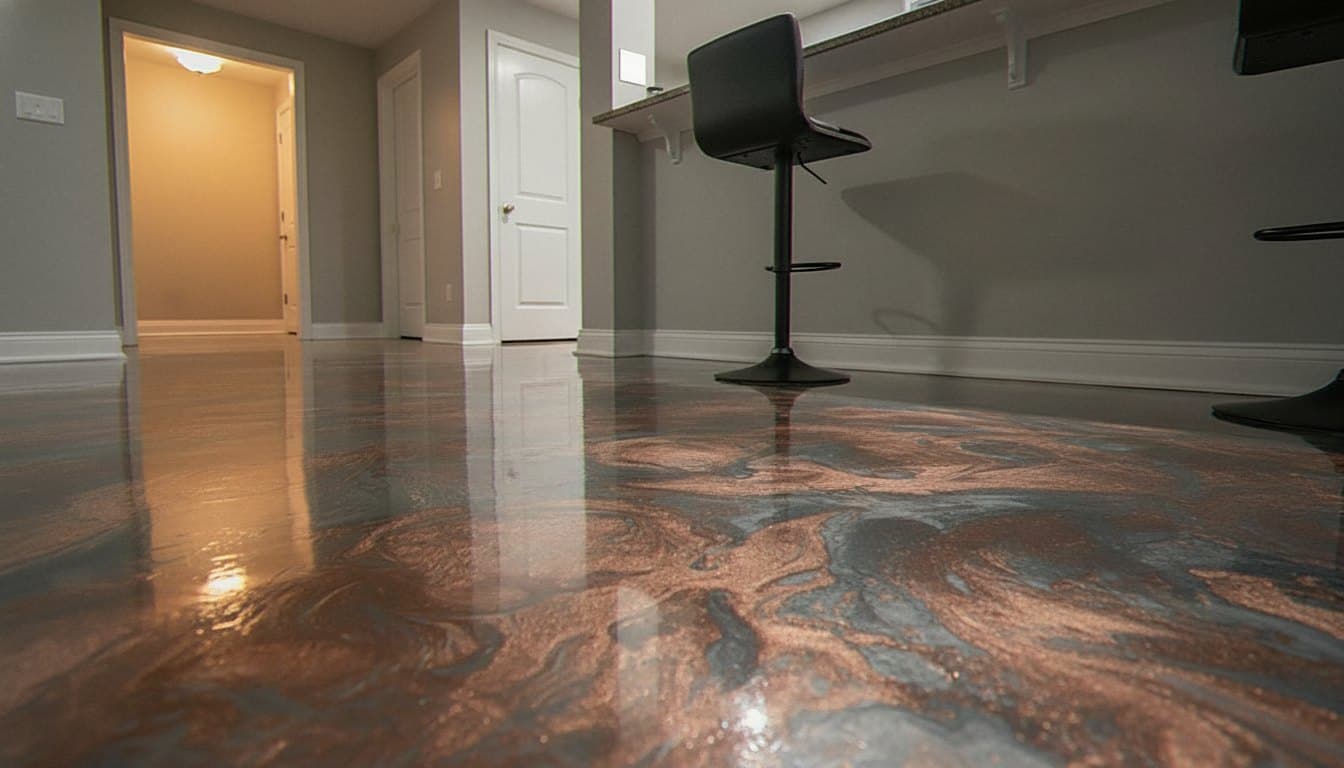
Metallic epoxy floor with swirled copper and slate.
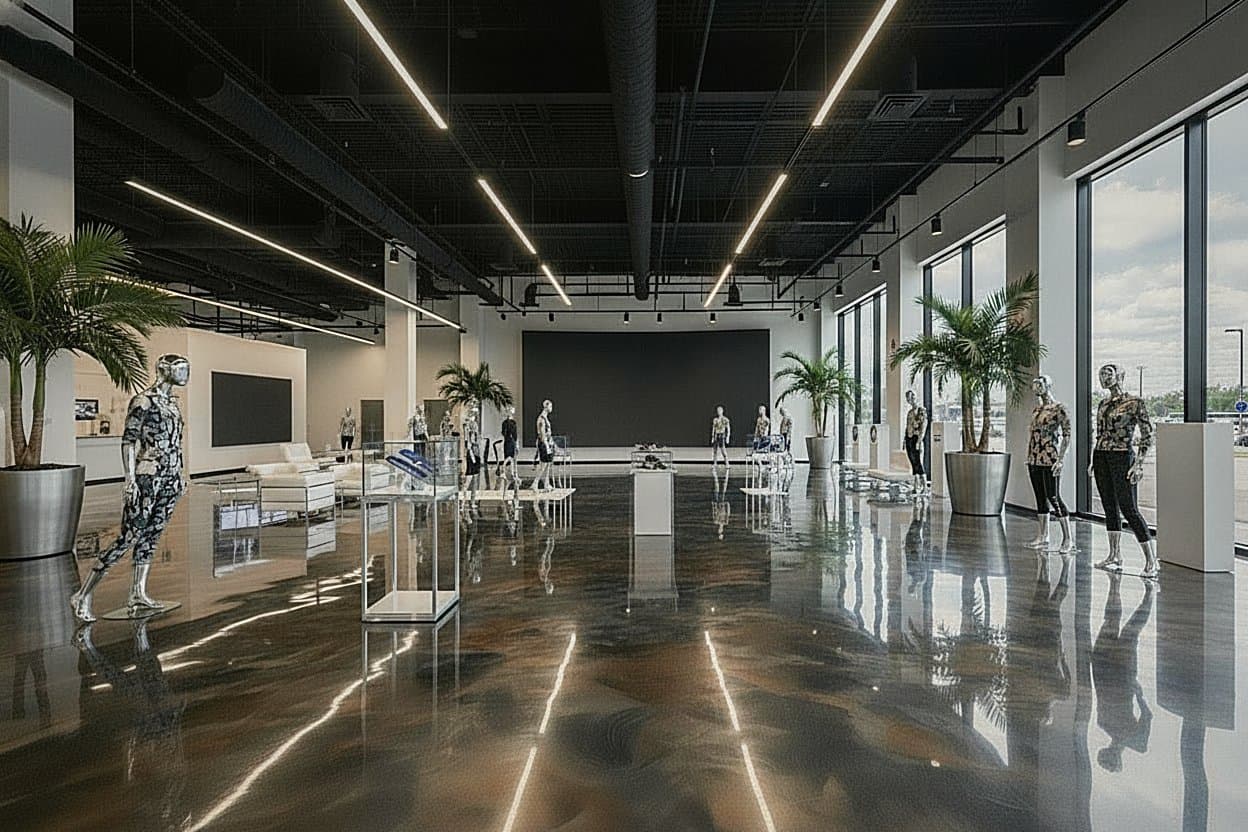
Wide view of finished metallic epoxy showroom floor.
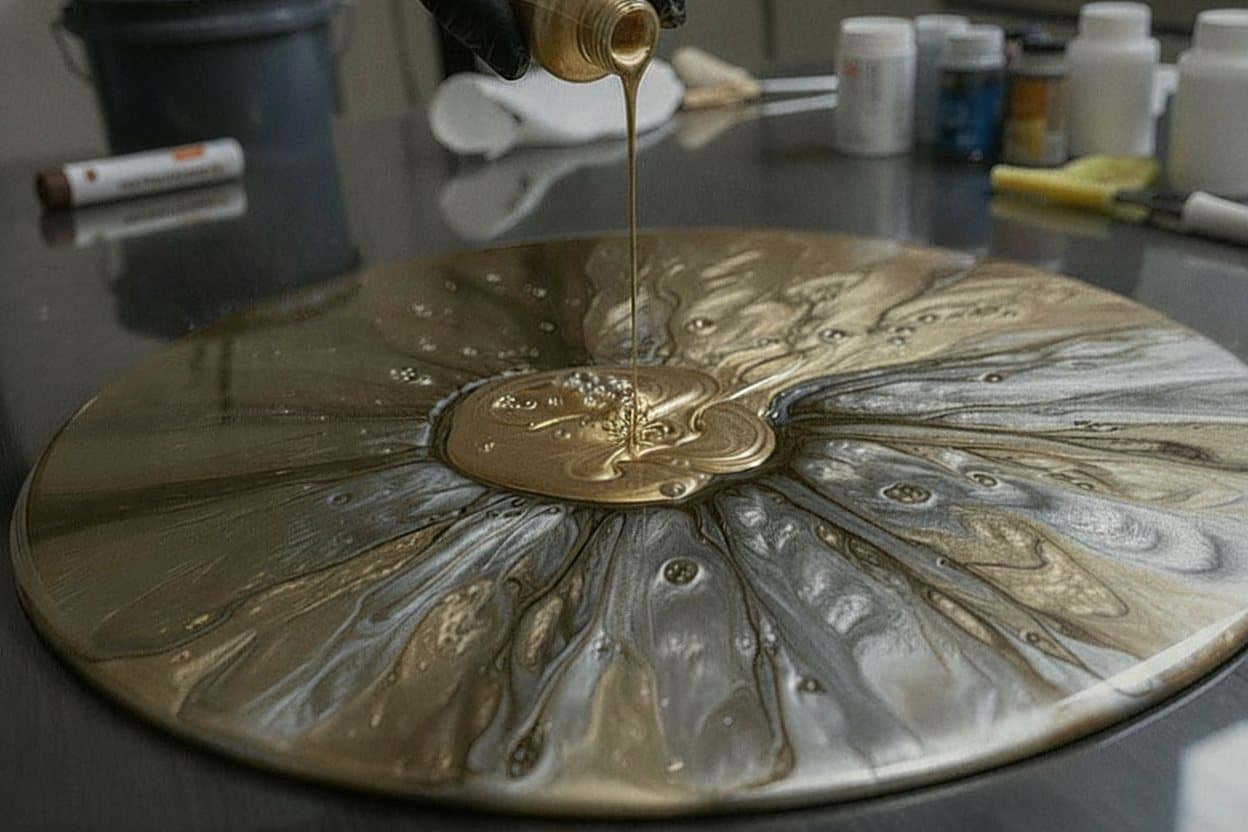
Trowel moving wet metallic resin across poured floor.
What we install

What a metallic floor actually is, on the slab

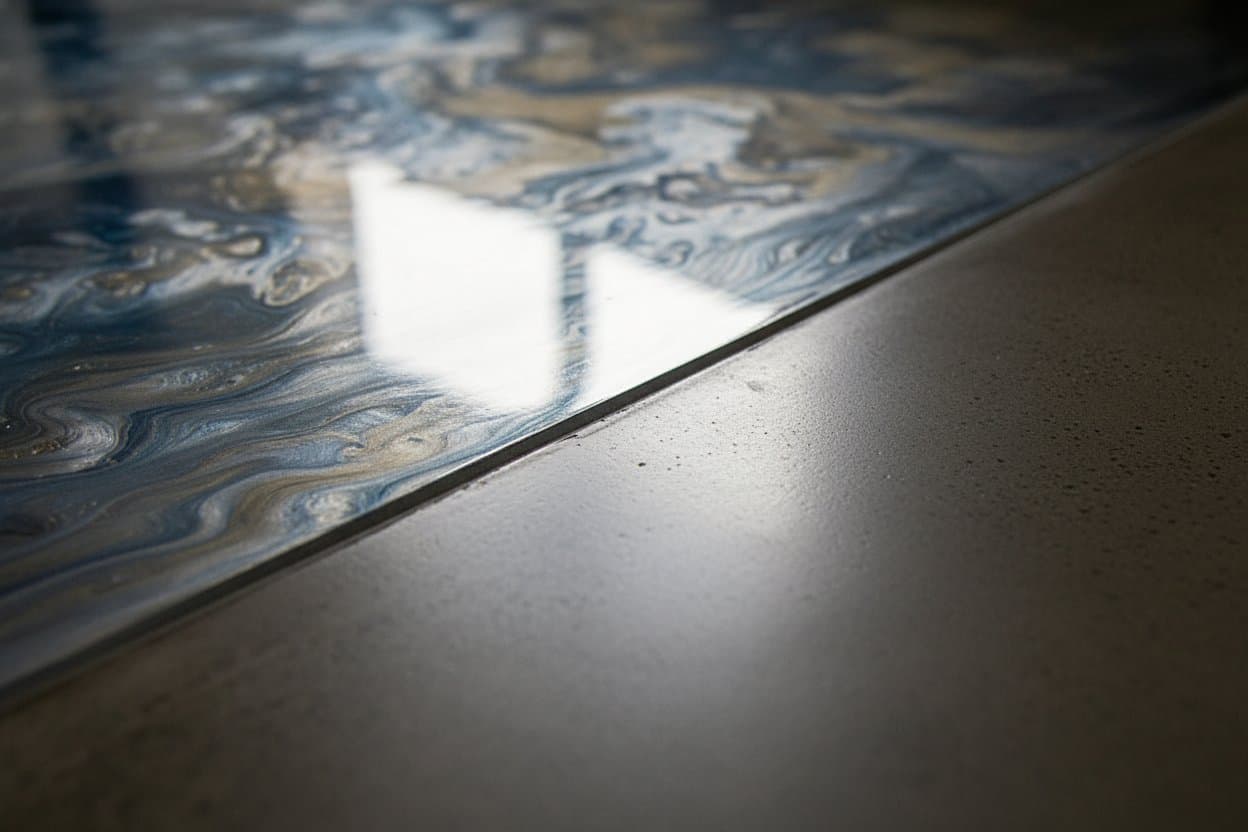
Metallic epoxy starts as clear resin with fine mineral mica mixed in, and we pour that resin across your prepared slab and move it while it is still wet so the pigment travels. The pigment shifts as it flows. That slow movement is what gives the finished floor its sense of real depth, the kind that looks like you are gazing down into polished stone or still water instead of at a flat coat of paint.

Every metallic floor is one of a kind. Two crews can pick the same colors and still never land on the same pattern twice, because so much of the look is born in the way the resin is worked while it is open. We pull trowels through it, then drop alcohol to open soft cells and branching veins. When the resin sets, those patterns lock in for good. The look you sign off on from the sample is the look you keep.

  • Common blends we pour here: copper over slate, polished nickel, deep ocean blue, and warm walnut.
  • Sealed under polyaspartic, so it shrugs off daily traffic, strong sun through the windows, and the salt air that rolls in off the coast.
  • No two floors match. Yours is mixed and swirled right in your room, for your room.
  • A strong fit for a finished den, a showpiece garage, or a busy commercial entry that needs to make a first impression.
  • We pour and finish a standard residential floor across two working days.
A metallic floor is mixed in your room, for your room. You will never see the exact same one anywhere else.

The slab does most of the talking long before any color goes down. We grind the bare concrete to open its pores, fill the cracks and pits, and read the surface for moisture pushing up from underneath. Coastal slabs in Oceanside often carry damp from the marine layer and a high water table, so this step is not optional for us. Skip it and even the prettiest metallic blend will lift and peel within a season. We do not skip it.

If you want a floor that makes people stop and look down, metallic epoxy is the one to ask us about. Call and tell us the room, the light it gets through the day, and the colors you keep coming back to. We will lay real samples on your slab and give you a straight answer on whether metallic or a simpler finish fits the space better. No pressure either way.
Materials

How the metallic layer is actually built

The base coat goes down first, usually a dark pigment that the mica can read against. While that layer is still wet and open, we broadcast the metallic resin over it and start moving the color, and the tool we reach for decides everything about the pattern. Trowels, rollers, and squeegees each leave their own signature. This is the wet window. It is short, and once the resin starts to gel the look is set for good.

After the metallic layer cures hard, we come back over it with a clear polyaspartic topcoat, and that clear layer is the surface you actually walk on every day. It carries the gloss, holds off the sun, and shields the color underneath from the wear of foot traffic and rolling loads. Without it the metallic would scuff and dull within months. With it, the depth you saw on day one stays readable for years of normal use.

  • Mineral mica suspended in clear resin, moved by hand during the short wet window.
  • A dark base coat underneath is what makes the bright metallic flecks read with real contrast and pop.
  • The 3D depth only reads right under a clear polyaspartic topcoat.
  • Tool choice across trowel, roller, and squeegee is what decides whether you end up with tight little cells or wide flowing veins.
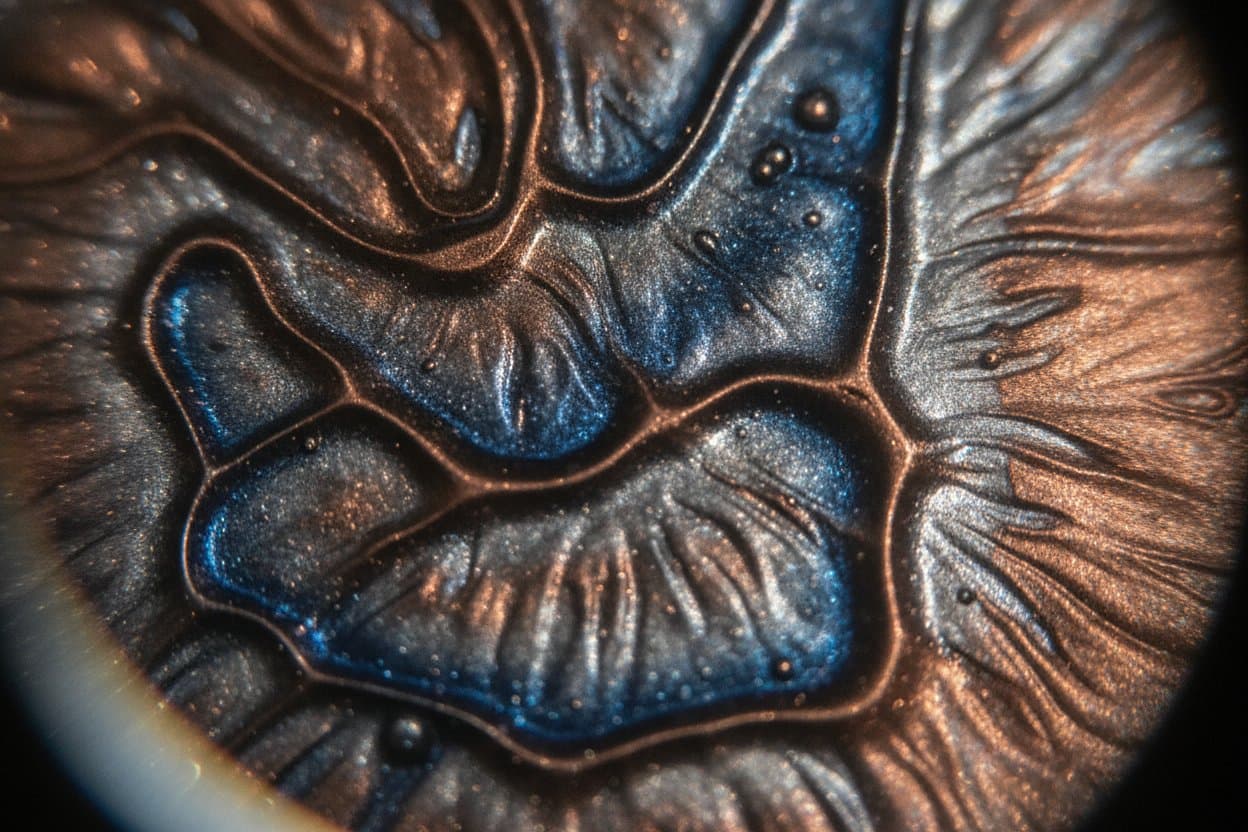
Mica swirls in cured metallic epoxy close view.
Metallic epoxy floor edge meeting a wall cleanly.
What about the alternatives?

Metallic versus the other designer floor options

Plenty of finishes can dress up a plain slab. Here is how metallic epoxy stacks up against the other designer options Oceanside homeowners ask us about most, and where each one honestly earns its place.

Acid stained concrete

Soft mottled color that lives down in the slab itself. The look is subtle, and the result is hard to predict, because it reacts with whatever minerals already sit in your concrete.

Acceptable

Polished concrete with dyes

Grind, dye, and polish the slab to a low even sheen. Clean and modern, sure, but the color stays flat and shallow next to the depth of a metallic pour.

Recommended

Terrazzo style epoxy

Resin packed with chips and aggregate, then ground smooth. Genuinely beautiful and pricey, with far more labor than most homes need for a den or a garage.

Acceptable

Full decorative flake

Vinyl chips broadcast into the wet coat, then sealed under clear. Tough, forgiving, and great at hiding old flaws, but it reads as texture rather than as depth.

Recommended

Metallic epoxy and polyaspartic

Mica swirled into resin and locked under clear polyaspartic. The deepest and most custom look we offer, sealed hard for daily wear.

Recommended
How it goes

From quote to walk-on, fast.

01

Your inquiry

Call or send the short form with what is going on at your place. A sentence or two is plenty for the first step.

02

We talk it through

We go over the situation on the phone, ask the questions that matter, and tell you what we would do next.

03

A clear plan

You get a plain-language rundown of the work, the order it happens in, and what to expect on the day.

04

The work gets done

Our crew shows up when we said, does the job, and walks you through the result before leaving.

Before you book

Questions to push on before booking the install

Metallic is the most artistic floor we pour, which means a handful of questions are worth asking any crew before you sign anything. Here is what we tell people to check, and we hold ourselves to the same list.

Are real samples reviewed in the actual room's lighting?
Yes, and you should insist on it. Metallic shifts hard between daylight, warm bulbs, and cool bulbs, so the blend that looks perfect in a showroom can read completely different in your own living room. We bring physical samples and set them right on your floor so you judge the color in the light you actually live with.
How much does it vary from one floor to the next?
A lot, and that is exactly the point. We can match a color family and a general feel, but the precise swirl is born in your room on pour day and cannot be cloned. We show you a range of finished work so you know the look you will land inside, never a false promise of an identical copy.
If a scratch or gouge happens, what is the repair plan?
The polyaspartic topcoat takes the daily abuse, and most small scuffs buff right out. A deep gouge is a bigger job, so we sand the spot, blend fresh metallic into it, and recoat the area until it disappears. Because the pattern is organic and flowing, a careful repair hides far better than the same fix ever could on a solid color floor.
Does it work in a humid Oceanside coastal room?
It holds up well, as long as the slab is prepped right from the start. Oceanside sits under the marine layer, so moisture can creep up through bare concrete and undermine a coating. We test for that vapor and lay the correct primer before any color goes down. Get that one step right and humidity stops being a problem for the finished floor.
How does the color hold up under daylight?
The clear polyaspartic on top blocks most of the sun energy that would otherwise fade a raw pigment over time. Rooms with big south facing windows still get the most exposure, so we steer you toward blends that wear that bright light gracefully. The depth stays readable for years of normal living.
Aftercare

Keeping the depth visible across the years

A metallic floor is low effort to keep, but the glossier it is, the more it quietly shows. Dust and fine grit are the real enemies, because they dull the shine and scratch the clear coat a little more every time a foot drags across them. A light, steady routine keeps the depth looking the way it did on the day we finished it. None of it takes long.

  • Sweep or dust mop once a week. The deeper the gloss, the more each speck of grit stands out across the room.
  • Damp mop once a month with a pH neutral cleaner, and skip the abrasive pads and harsh degreasers that scratch the clear coat.
  • Put felt pads under chair legs, bar stools, weight bench feet, and anything else you tend to drag across the surface.
  • Wipe up oil, wine, or chemical spills fairly soon so nothing sits long enough to stain the clear coat.
  • Every few years, ask us about laying a fresh clear topcoat to bring the original gloss right back.
Metallic epoxy floor with swirled copper and slate.
FAQ

Frequent metallic epoxy questions

What separates epoxy from polyaspartic, in practice?
Epoxy lays down the thick, hard base that grips a clean slab. Polyaspartic is different. It cures fast and holds its color under the strong coastal sun, which is why we so often pour an epoxy base first and then finish the floor with a polyaspartic top coat. That mix gives you a tough floor that still looks sharp years later.
How are coating jobs typically priced in this market?
Cost comes down to a few simple things. We look at the square footage, the shape your slab is in, and the system you pick. Prep is the big swing. A floor that needs grinding, crack repair, or patching takes far more work than a clean one. We walk the space, talk through your options, and put a clear number in front of you before any work starts.
Can you install epoxy flooring year-round in Oceanside?
Yes. Oceanside stays mild all year, so we coat floors in every season without the freeze worries that colder regions face. We do watch the marine layer and the damp mornings, since any coating needs a dry slab to bond. Our crew checks the moisture and the humidity before we open a single kit. That care lets the epoxy flooring set the way it should.
Will the floor pick up or stain under hot tires?
Hot tires can lift a weak coating. That is a prep and product issue. We grind the slab, build a real bond, and finish the floor with a top coat that is made to take the heat from your tires. A floor done this way shrugs off hot tires and the usual oil or fuel drips. Wipe up spills and it stays clean.
Ready when you are

Let's make your next steps easier

Tell us what is going on at your Oceanside home and we will walk you through the options. One call or one short form is all it takes.

Call (442) 264-1078Make your inquiry
CallContact us