Basement Floor Epoxy · Oceanside

Basement Floor Epoxy in Oceanside, CA

We pour basement and lower level floors across Oceanside, and we read the slab for coastal moisture before we open a single pail.

1-2 days installs · typical timeline
Free Quote

Free Basement Floor Epoxy quote.

We reply within 1 business hour. No spam, ever.

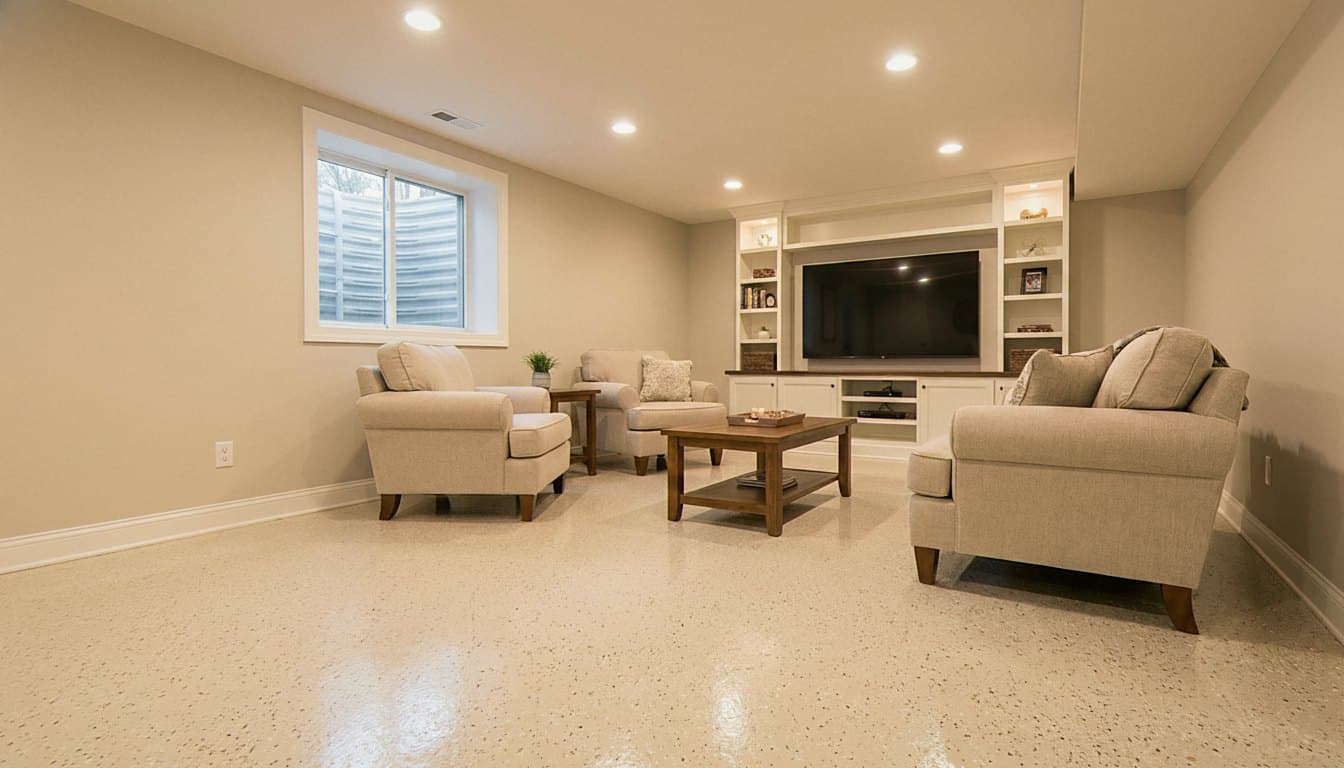
Finished basement floor in neutral flake epoxy.
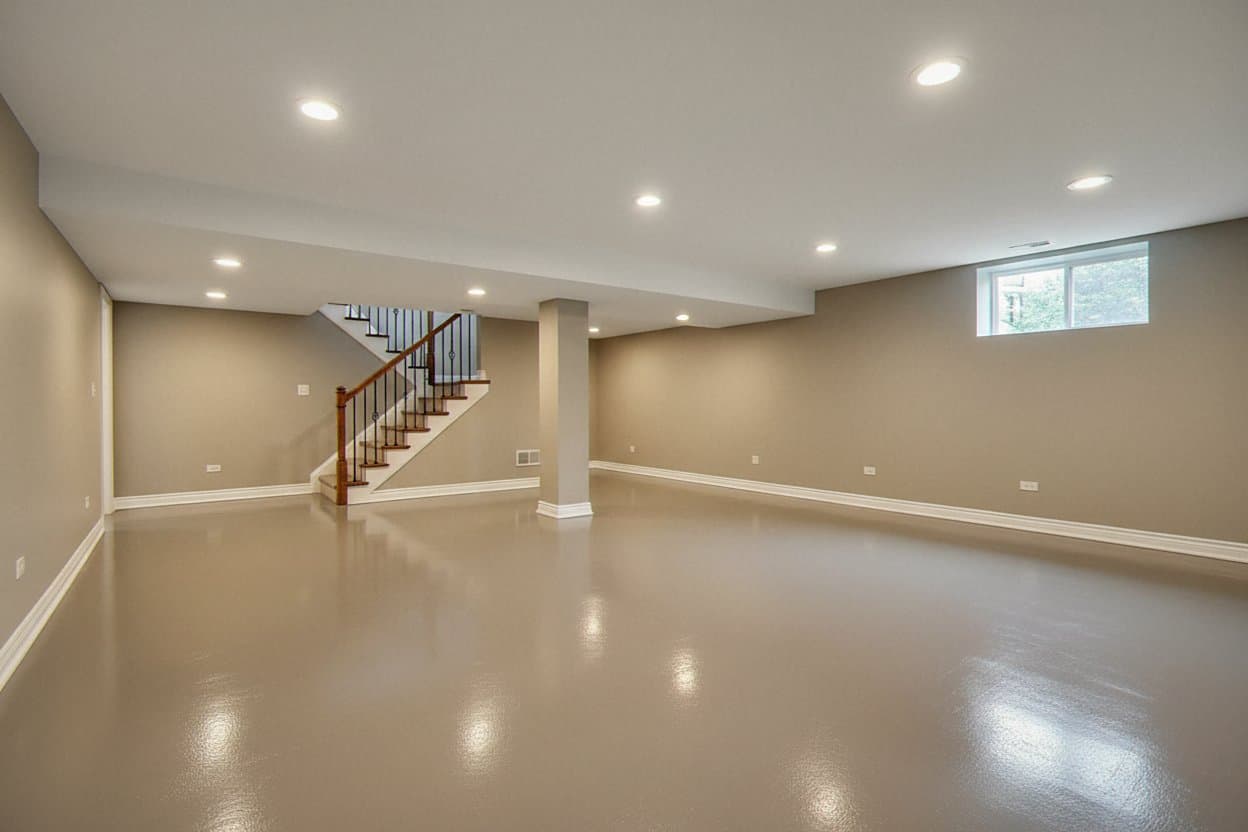
Wide sealed lower level floor with flake coating.
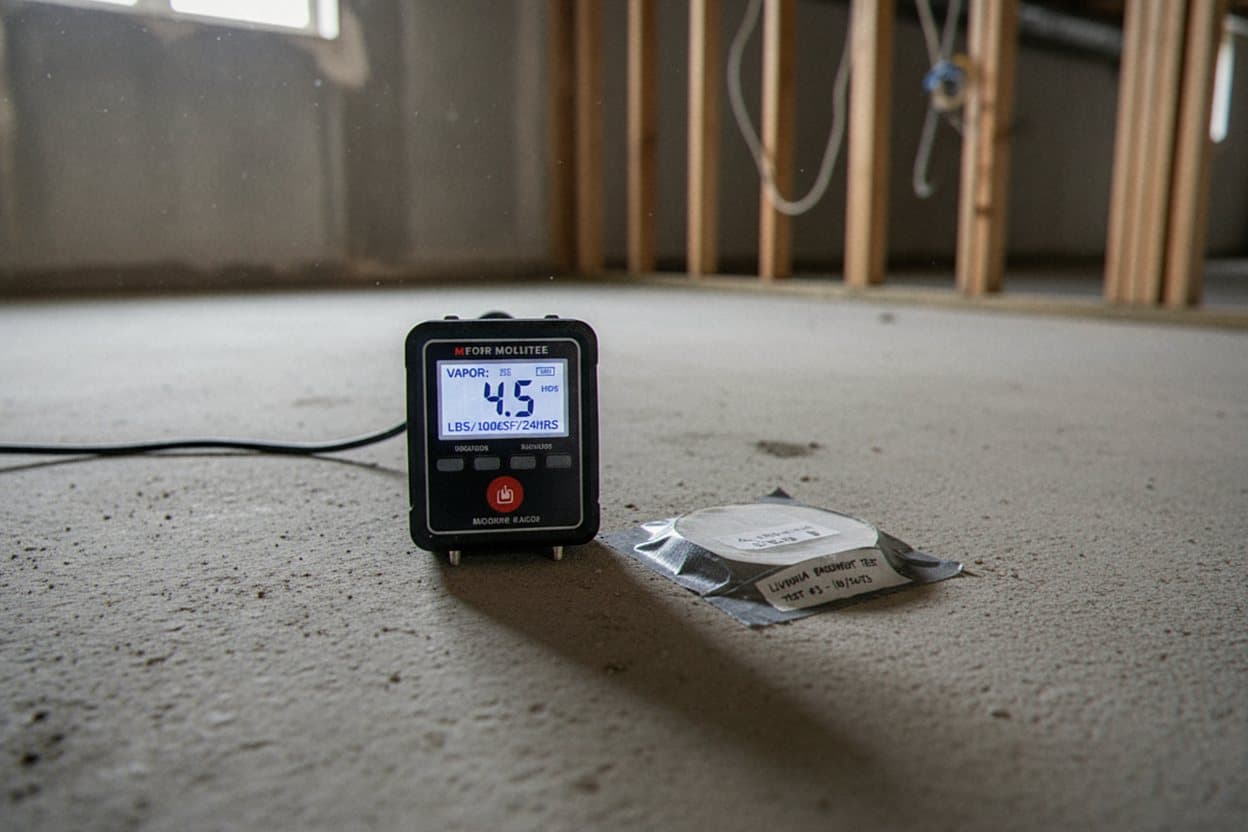
Bare basement slab before moisture test and grind.
What we install

Why a coating fails when nobody reads the slab first

Most lower level slabs in Oceanside sit close to the water table or against a hillside, so they pull moisture from the ground all year. The marine layer adds to it. When a coating goes down over a slab that is still pushing vapor, the bond lets go from underneath. You see it as bubbles, cloudy patches, or a film that peels at the edges. We test the slab before we quote, because the number on the moisture disc decides the whole system. Skip that step and the floor looks great for a season, then starts to lift.

A basement in San Diego County is rarely the deep, dark box people picture back east. Here it is usually a daylight lower level on a sloped lot, a converted under house room, a wine room, or a bonus room that sits partly below grade. Each one moves moisture differently. A wall against soil behaves nothing like a wall with a window well facing the yard. We walk the room, find where the damp comes in, and match the primer to that reading instead of guessing.

  • A sealed slab keeps coastal damp and ground moisture from pushing up through the floor.
  • A light or warm base bounces the available light back into a room that has few windows.
  • The polyaspartic topcoat holds its grip under furniture, gym gear, and pet paws.
  • Walk on it that same evening, and your furniture moves back in within a day.
  • Air movers and a dehumidifier run while we finish, and the curing odor is gone from the room well before we load the van.
The slab is the patient. The coating is the prescription. Both have to match.

Coastal air near Oceanside Harbor stays damp for long stretches. A below grade room holds that moisture if the floor cannot breathe. So we seal the slab against rising vapor first. Then we lock a clear topcoat over the color. The room stays bright and it wipes clean in seconds. You get a floor that takes a wet winter rain, a foggy June morning, and the steady salt air off the water. It will not cloud or peel at the base of the walls.

If your Oceanside lower level smells musty, sweats in the summer fog, or wears an old coating that is flaking at the base, the slab is telling you something. We come out, read the moisture, and tell you straight what the floor needs. Some rooms want a full vapor system. Others only need a sound primer and a flake coat. You get the honest version either way, and a clear plan before any product is opened.
Materials

A basement system is not a garage floor in a lighter color

People assume a basement floor is just a garage coating with a softer pigment. It is not. A garage slab dries to open air on three sides and bakes off most of its moisture. A lower level slab sits against cool soil and never fully dries, so it needs a primer built to hold a bond against rising vapor. We choose that primer from the moisture reading, not from habit. Put a garage kit in a damp room and you buy a redo within a year or two.

Color and texture matter more underground than they do in a garage. A room with one small window well needs a base that throws light around, so a bright neutral or a warm gray beats a dark charcoal here. We add flake for grip and for the way it hides small slab imperfections, then close it with a clear topcoat that stays clear under coastal damp. The result reads like a finished room, not a painted utility floor.

  • The moisture disc number picks the primer, not the installer's gut.
  • A bright neutral base coat lifts a dim room instead of closing it in.
  • A medium flake load adds grip and hides the small dips in an old slab.
  • A clear polyaspartic topcoat seals coastal humidity out and stays clear by a window well.
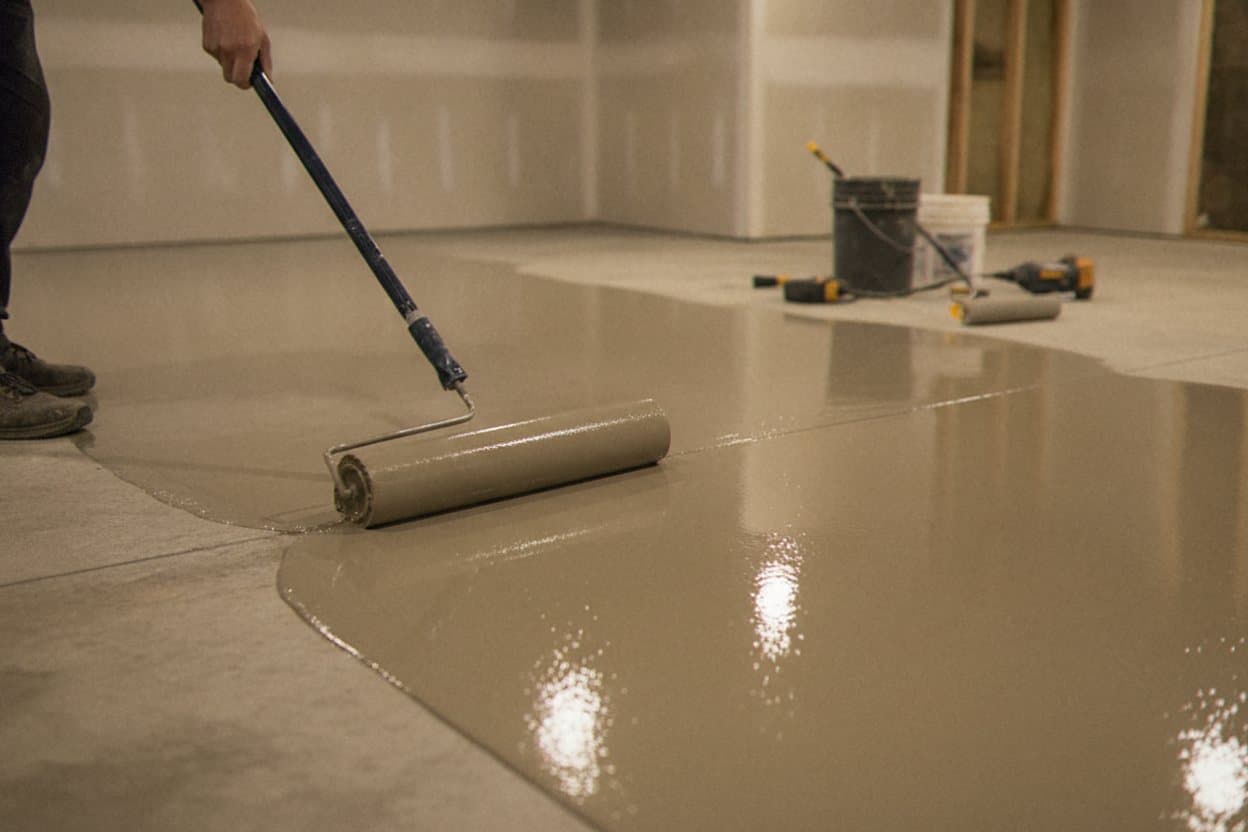
Primer coat going down on basement concrete.
Flake chip detail on a cured basement epoxy floor.
What about the alternatives?

Other basement floor approaches and how they hold up here

Plenty of lower level floors get the cheap fix first, then the real one a year later. Here is how the common options behave in a coastal room that holds moisture.

Concrete paint or stain

The cheapest cosmetic pass. It lifts at the walls and any floor drain inside one wet winter, and damp gets under it fast.

Skip

Peel and stick LVP or vinyl plank

The adhesive needs a dry slab to hold. Over a damp lower level it curls at the seams and traps a sour smell beneath the planks.

Skip

Modular carpet tile

Workable in a truly dry room, and you can pull a wet tile and swap it. In a slab that breathes moisture it grows musty and has to come up.

Acceptable

Engineered wood on sleepers

It raises the floor and looks warm, but the wood and the sleepers both react to ground damp. Near the coast that is a slow cupping problem waiting to start.

Skip

Vapor sealing epoxy with a polyaspartic topcoat

The system built for a slab that holds moisture. The primer blocks rising vapor, the flake adds grip, and the clear coat keeps the room bright and wipeable.

Recommended
How it goes

From quote to walk-on, fast.

01

Your inquiry

Call or send the short form with what is going on at your place. A sentence or two is plenty for the first step.

02

We talk it through

We go over the situation on the phone, ask the questions that matter, and tell you what we would do next.

03

A clear plan

You get a plain-language rundown of the work, the order it happens in, and what to expect on the day.

04

The work gets done

Our crew shows up when we said, does the job, and walks you through the result before leaving.

Before you book

Questions to ask before signing a basement quote

A basement quote is only as honest as the prep behind it. These are the questions that separate a floor that lasts from one that lifts by next winter.

Does the quote include the actual vapor reading?
It should. A real lower level quote starts with a calcium chloride or relative humidity reading on the slab, because that number decides the primer. If a bid skips the test and names one coating for every basement, you are paying for a guess. We read your slab first, then quote the system that reading calls for.
How long is the cure smell going to last in the house?
Less time than most people fear, as long as the room is vented. We set exhaust fans and a dehumidifier during the cure so the air moves out instead of drifting up the stairs. With a polyaspartic topcoat the strong phase is short. The room is back to a normal smell within a day in most homes.
What if there is standing water or a previous failed coating?
We deal with both before any new product goes down. Standing water means we find the source first, whether it is a window well, a crack, or a slab that needs a stronger vapor primer. An old peeling coating gets ground off to sound concrete. New material only bonds as well as what sits under it.
How does the dust from grinding stay out of the rest of the house?
Diamond grinding throws fine concrete dust. Our crew runs the grinder with a vacuum shroud at the head, vents it into a HEPA extractor, and seals the basement door with sheeting and tape during the dusty steps. Without that, the dust rides the air return and settles on every surface upstairs.
When can the furniture come back down?
Light foot traffic is fine that same evening. Furniture and bins move back the next day, and heavy gym equipment or shelving waits a little longer so the topcoat reaches full hardness. We give you the exact timing for your room before we leave, so nothing goes back too early.
Aftercare

Keeping a finished lower level bright across the years

A coated basement floor asks for almost nothing, which is the point of doing it right the first time. The coastal damp that wrecks paint and vinyl slides right off a sealed surface. A weekly sweep and the occasional damp mop keeps it looking new, and the topcoat shrugs off the scuffs that an open slab would soak in. Treat it like a kitchen floor and it stays bright for a very long stretch.

  • Sweep or vacuum once a week, since fine grit acts like sandpaper if it sits.
  • Wipe spills when you see them, though a sealed floor gives you time before anything soaks in.
  • Damp mop with plain water or a mild floor cleaner, and skip harsh acids that dull the clear coat.
  • Put felt pads under heavy gym gear and shelving so they slide instead of scratching.
  • Run a dehumidifier in the wet months to keep the whole room, floor included, dry and fresh.
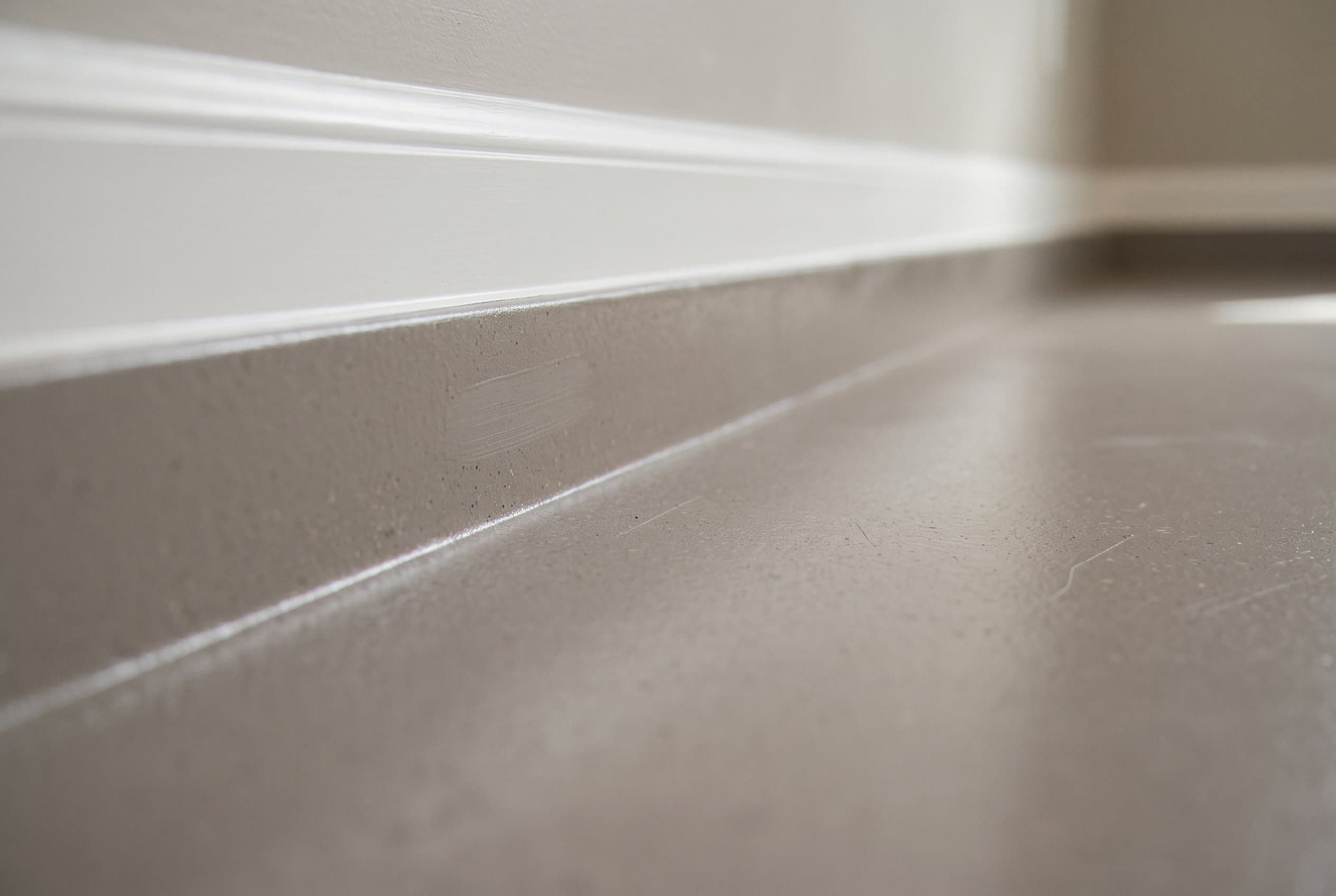
Coved edge where basement floor meets the wall.
FAQ

What Oceanside owners ask about basement coatings

What separates epoxy from polyaspartic, in practice?
Epoxy lays down the thick, hard base that grips a clean slab. Polyaspartic is different. It cures fast and holds its color under the strong coastal sun, which is why we so often pour an epoxy base first and then finish the floor with a polyaspartic top coat. That mix gives you a tough floor that still looks sharp years later.
How are coating jobs typically priced in this market?
Cost comes down to a few simple things. We look at the square footage, the shape your slab is in, and the system you pick. Prep is the big swing. A floor that needs grinding, crack repair, or patching takes far more work than a clean one. We walk the space, talk through your options, and put a clear number in front of you before any work starts.
Can you install epoxy flooring year-round in Oceanside?
Yes. Oceanside stays mild all year, so we coat floors in every season without the freeze worries that colder regions face. We do watch the marine layer and the damp mornings, since any coating needs a dry slab to bond. Our crew checks the moisture and the humidity before we open a single kit. That care lets the epoxy flooring set the way it should.
Will the floor pick up or stain under hot tires?
Hot tires can lift a weak coating. That is a prep and product issue. We grind the slab, build a real bond, and finish the floor with a top coat that is made to take the heat from your tires. A floor done this way shrugs off hot tires and the usual oil or fuel drips. Wipe up spills and it stays clean.
Ready when you are

Let's make your next steps easier

Tell us what is going on at your Oceanside home and we will walk you through the options. One call or one short form is all it takes.

Call (442) 264-1078Make your inquiry
CallContact us